

News & Resources
The Role of Lifestyle in Longevity: Why Where You Live Matters
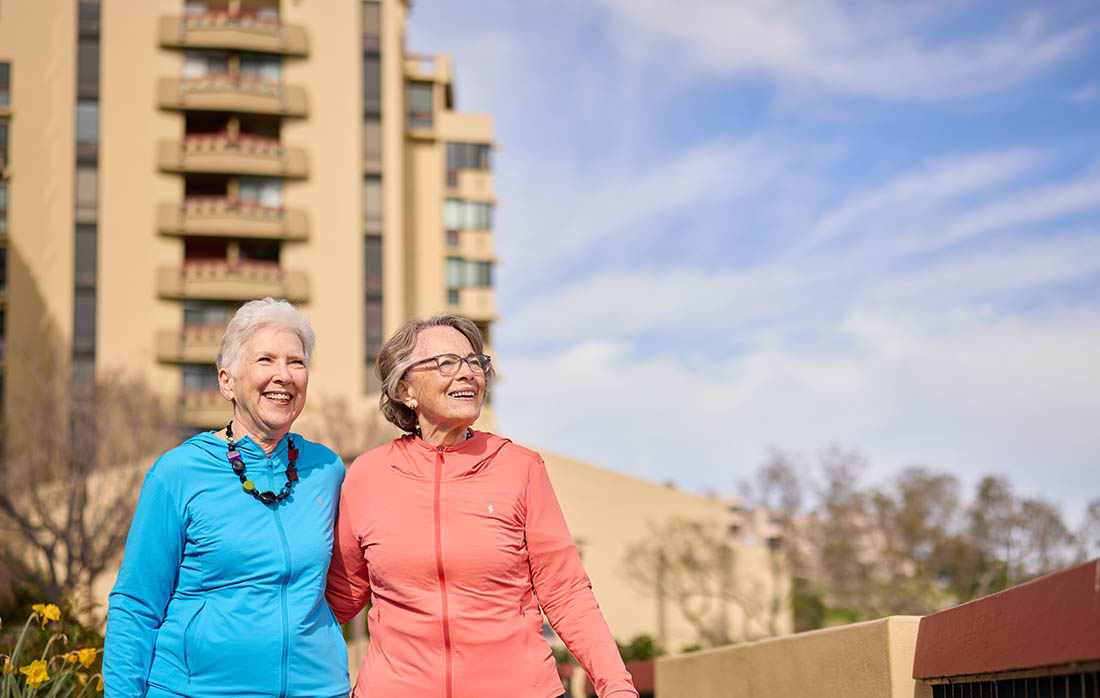
Longevity isn’t just about extending life. Maximizing your healthspan is the key to a longer life—because a healthy body and mind will bring happiness and joy to those additional years.
Similar to bank deposits, there are things you can do throughout your life that can lead to cashing in on more years. Although genetics also plays a large part, almost 80% of longevity is determined by lifestyle habits.
One lifestyle factor that many people don’t consider is place. Adults seeking independence, health, and happiness in their retirement years are beginning to consider a home that leads to longevity.
How Environment Can Determine Longevity
As previously stated, genetics do play a role in determining longevity, but you can increase your quality and quantity of years through your lifestyle. These habits, such as physical activity, social connection, financial security, diet, exercise, and purpose, are just some of the tools you can use—and your environment contributes deeply to these factors.

Your environment contributes to your daily habits and your social life and can give you a sense of purpose. It can also negatively impact your life and shorten your lifespan if your environment is stressful, isolating, or unsafe. Ultimately, your place can make or break your retirement years.
The Four Dimensions of Place
Ryan Frederick, author of Right Place, Right Time and a recent speaker at Sequoia Living, describes “place” as more than just your physical address. It includes your neighborhood, your social networks, and your daily surroundings.
According to Frederick, several dimensions of place can influence longevity.
1. Environment
To contribute to longevity, your home and neighborhood should make your daily life easier, not more difficult. Walkable spaces, safe surroundings, and access to amenities all support better health and quality of life.
2. Health
Where you live can either encourage movement and wellness—or lead to more sedentary routines. As we age, we grow and thrive with easy access to fitness, healthy meals, preventative care, and more.
3. Connection
Creating and maintaining strong relationships leads to longevity. Living in a place where you can meet others and build friendships boosts both mental and emotional health.
4. Finances
Housing costs, maintenance, and long-term care needs affect financial security. Choosing the right living environment can help protect both your lifestyle and your future.
How Location Affects Lifestyle and Longevity
Ultimately, location determines lifestyle. Healthy habits are easier to establish and maintain in certain locations, especially in a senior living community. A community:
- Makes it easier to stay physically active
- Provides opportunities for lifelong learning
- Offers meaningful social connections
- Reduces stress from home maintenance and chores
- Supports a stronger sense of purpose
Most importantly, older adults with a strong sense of purpose and access to social connections are less likely to experience cognitive decline.

Place Planning
One of Frederick’s central ideas is “place planning”—being intentional about where you live at each stage of life.
Our needs change over time. A home that used to fit your lifestyle as you were starting your career and family probably can’t support the lifestyle, health, or social connections you want after retirement.
Ultimately, Frederick argues that housing is not a one-time decision but one you can assess throughout your life to ensure you’re meeting needs at every stage.
Place Assessment
As you might be considering a move to a place that better supports healthy lifestyle habits, ask yourself the following questions:
- Does my current home support the life I want now?
- Am I socially connected?
- Is my environment helping my health?
- Will this setting still work for me five or ten years from now?
If your “no” answers outweigh your “yeses,” it may be a sign that it’s time to consider a change.
How Do Independent Living Communities Support Longevity?
Independent living communities are designed with these principles in mind. They often provide:
- Built-in social opportunities
- Fitness and wellness programs
- Lifelong learning and cultural events
- Maintenance-free living
- On-site dining and amenities
These elements help create an environment where healthy habits are easier to sustain—and where purpose, connection, and vitality can flourish.
The Right Place at the Right Time
Longevity is more than adding years to your life. It’s about making those years meaningful—and your place can determine what those years look like, good or bad. By choosing an environment that supports your health, relationships, and goals, you can create a lifestyle that promotes both longevity and fulfillment.
It could be the key to a longer, healthier life. If you’re planning for healthy aging, explore a lifestyle that prioritizes longevity and connection at a Sequoia Living community.