News & Resources
Improving Cognitive Health for Older Adults Through Lifelong Learning and Community
When you reach retirement age, physical exercise becomes critical for maintaining your body. Regular walks, swimming, stretching, and strength training are excellent ways to keep your body in great condition.
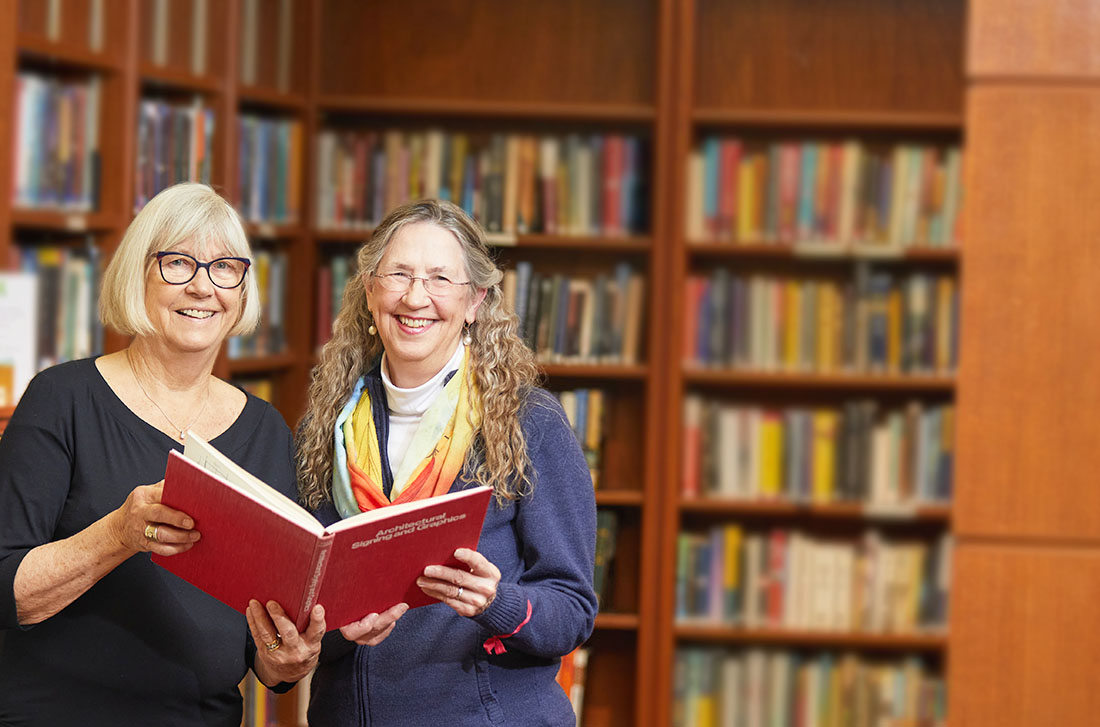
Just as important for healthy, active aging is mental health. Research has shown that mental stimulation and social connections are just as essential as physical exercise for longevity and overall well-being. Knives dull without proper care, and so can the brain. The mind needs to be used and maintained to stay sharp.
Two of the best ways to work your brain are lifelong learning and community. Together, they create an environment that engages the brain, reduces stress, and increases your sense of purpose.
How Learning Leads to Cognitive Enhancement
The brain is a muscle that can be strengthened with use. Challenging your brain is the equivalent of spending hours in the gym without sore muscles the next day; it’s all benefit, no pain.
Learning something new—whether it’s a language, musical instrument, technology skill, or creative craft—stimulates neural pathways and encourages the brain to build new connections.
Lifelong learning in later life has been linked to:
- Improved memory and attention
- Greater mental flexibility
- Increased confidence
- Reduced risk of cognitive decline
- A stronger sense of personal growth
Continuous learning also gives the brain a job to do when the responsibilities of a career are no longer providing that mental stimulation. Retirement can feel like a significant shift, and without exercising that muscle, it can be hard to close the gap.
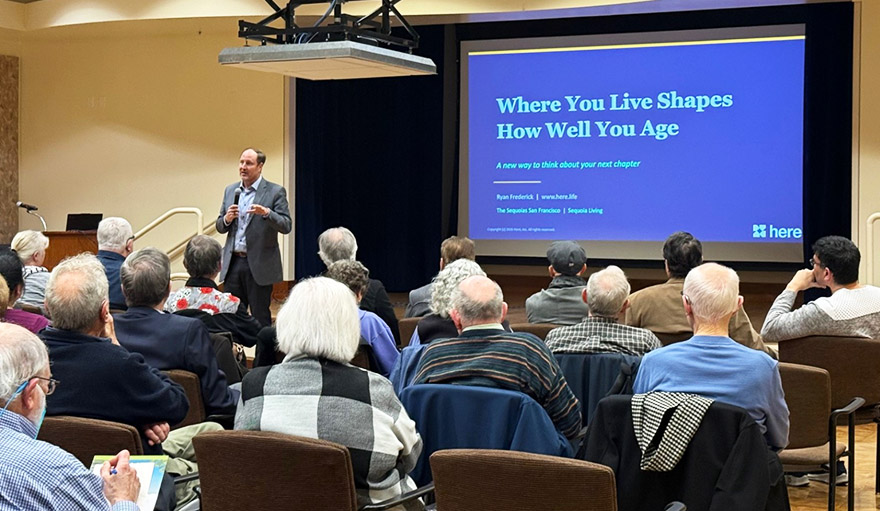
Learning provides a much-needed sense of identity in retirement, no matter how your routines and responsibilities may change. It keeps life dynamic, makes you more well-rounded, and leads to opportunities to connect with others.
The Benefits of Mental Health in Later Life
Speaking of connection, it’s another way to enhance your cognitive functions. Where learning strengthens the brain, connection strengthens your spirit.
No matter how much you exercise your brain and your body, social isolation will negatively impact your life. The best way to stay healthy mind, body, and soul is to be around others. Consistent social engagement supports:
- Lower rates of depression and anxiety
- Reduced stress levels
- Stronger immune function
- Better overall life satisfaction
- A greater sense of belonging
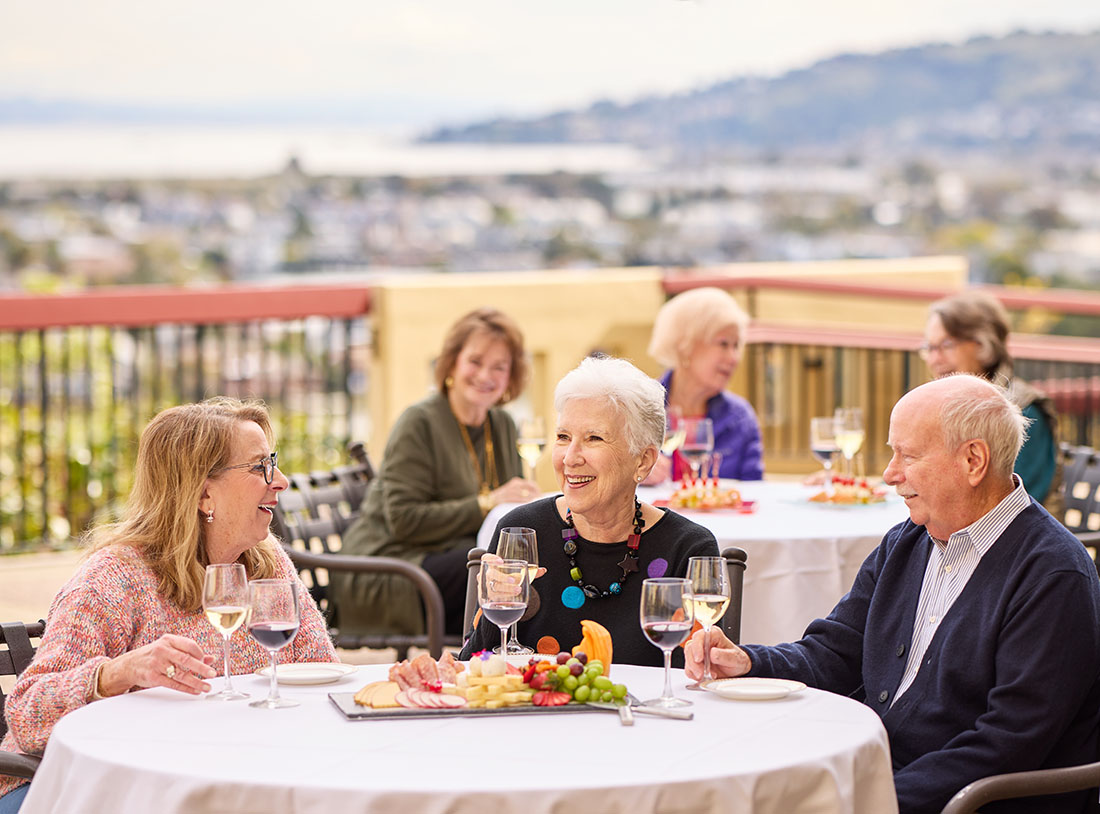 The easiest way to find connection is through community. Community makes connection more attainable, offering moments for consistent yet spontaneous interactions. Conversations over meals, shared experiences in classes, collaborative projects, or simple neighborly exchanges may seem insignificant, but over time, they significantly impact mental well-being.
Community also reinforces purpose. Teaching a class, joining a book club, mentoring others, or simply contributing ideas helps shape your environment, which is especially important in retirement.
The Power of Cognitive and Mental Health in Retirement
On their own, learning and connection are powerful tools. When used in conjunction, they can make you unstoppable.
Learning without connection is isolating. When we learn together, we create more meaningful relationships based on mutual understanding. Learning with others leads to greater curiosity, motivation, and confidence for everyone involved, and all parties benefit from cognitive and emotional health.
The Right Environment for Mental Health
You can learn or make connections anywhere. But the most effective place to facilitate these skills is one that offers a variety of ways to stay engaged, including:
- Educational programs
- Guest speakers and cultural events
- Clubs and interest groups
- Volunteer initiatives
- Shared creative spaces
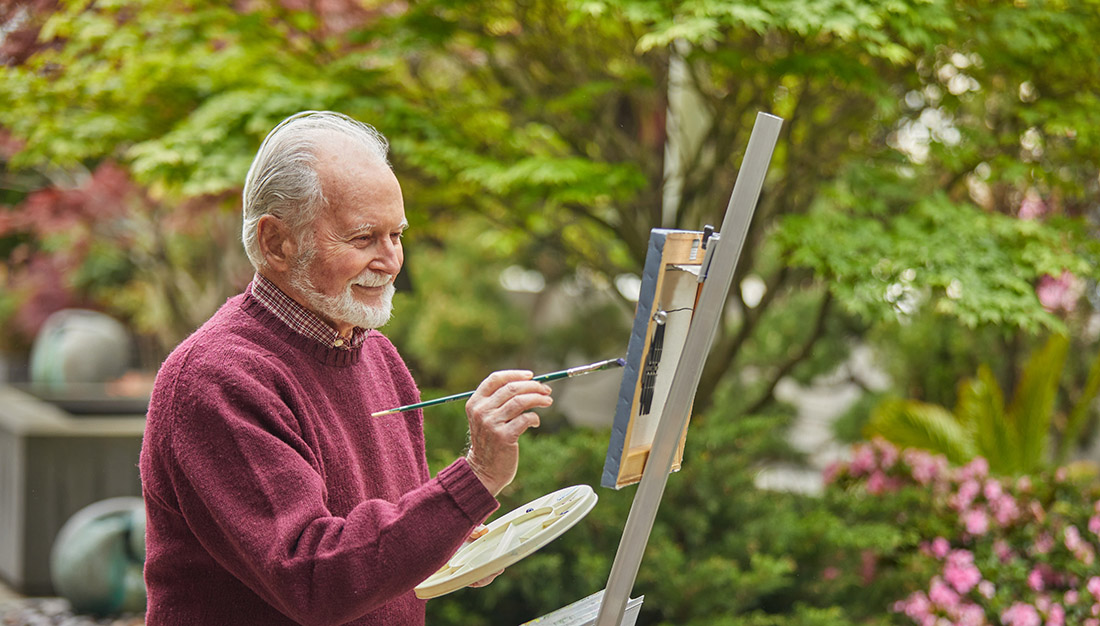
Finding a community that offers multiple classes and programs ensures learning is woven into daily life rather than having to seek it out. In addition, diversified learning scenarios keep things interesting and open up more opportunities to connect with others.
Never Stop Growing (and Learning)
You can plan on getting older, but you can’t count on maintaining your cognitive status without continually working out your mind and building relationships. Lifelong learning keeps the mind sharp, and community keeps the heart full. Together, they support resilience, confidence, and a lasting sense of purpose.
Healthy longevity isn’t only about adding years to life—it’s about ensuring those years are vibrant, connected, and meaningful. And often, the difference lies not in doing more alone—but in learning and living alongside others.