News & Resources
The Culture You Build Is the Future You Create
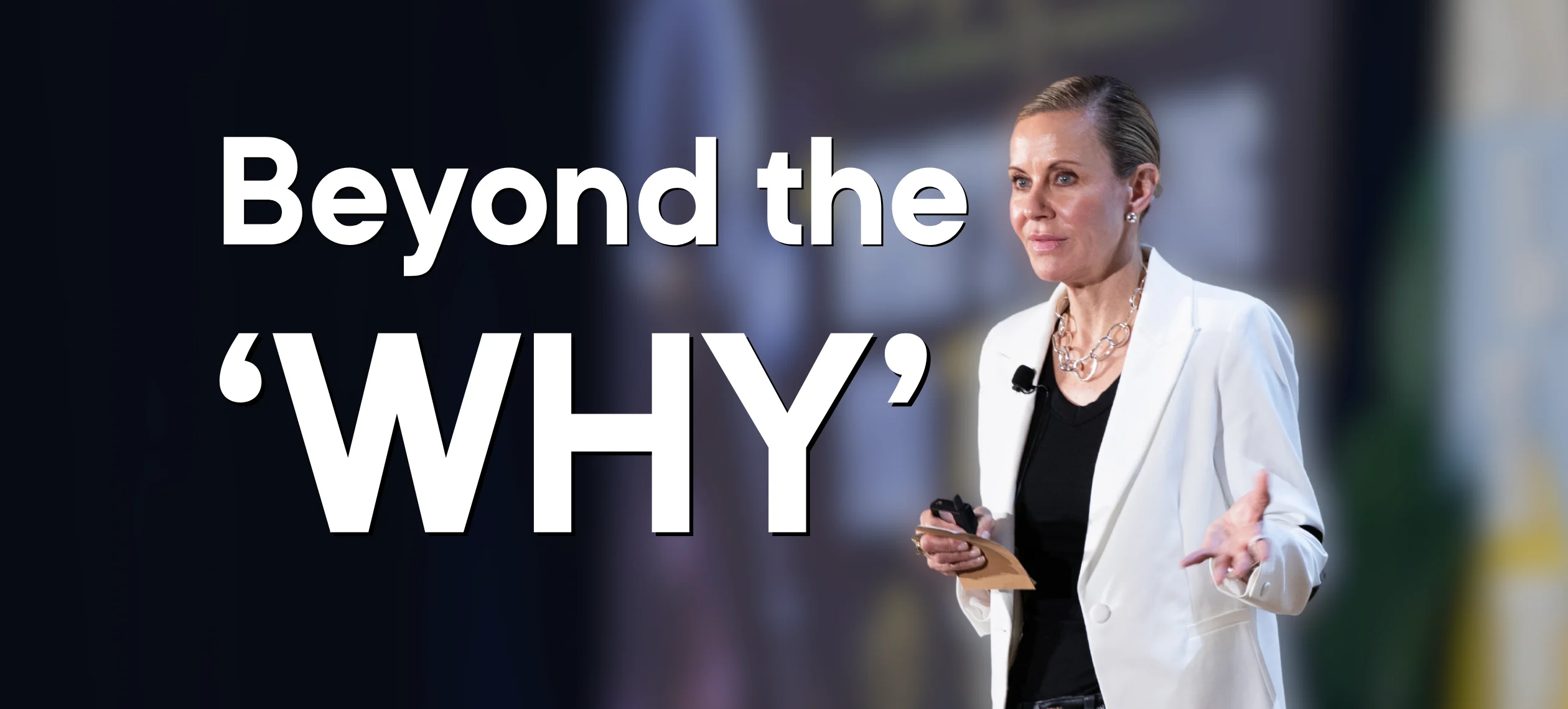
When Sara McVey, President and CEO of Sequoia Living, took the stage at the Senior Living Innovation Forum in Carlsbad, California, she opened with a simple observation. Many in the audience had traveled long distances, slept less than they’d hoped, and still showed up ready to learn.
It was a reminder, she said, of what senior living professionals ask of their teams every day. They arrive despite challenges, adapt when plans change, and continue showing up for residents. Those everyday moments, she explained, are where culture is truly built.
McVey traced that belief back to her first job at a Dairy Queen in Wisconsin. As a teenager, she was entrusted with opening and closing the restaurant. Being trusted at a young age taught her a lesson that has stayed with her throughout her career: when people feel valued, they rise to the occasion.
Her message was clear. Every organization’s culture is shaped either intentionally or by default.
That philosophy was put to the test when McVey joined Sequoia Living in 2019. Following a company rebrand and just months before the pandemic, she chose not to delay culture building. Instead, she saw an opportunity to give team members something meaningful to rally around.
The inspiration came from the organization’s namesake. Sequoia trees never stop growing. They withstand adversity, remain resilient through changing conditions, and strengthen one another through interconnected root systems. Those qualities became the foundation for Sequoia Living’s guiding philosophy: Never Stop Growing.
Rather than defining culture from the top down, Sequoia Living invited every team member to participate by answering three questions: What are your personal values? How would you describe our current culture? What would your ideal culture look like?
The response exceeded expectations. Ninety-four percent of team members participated, and that level of engagement continued for three consecutive years. The process demonstrated that when people are invited to help shape culture, they become invested in it.
McVey also challenged leaders to rethink turnover. Instead of focusing only on why people leave, she encouraged them to ask why people stay.
As she shared with attendees, “People don’t leave because the work is hard. They leave because of the emotional weight of not feeling seen, heard, understood, recognized, and celebrated.” Creating those moments of connection, she noted, is something every organization has the power to influence.
Read the full article at the Senior Living Innovation Forum (SLIF).